How to Plan a Cruise for Someone Who Has Never Cruised Before

Planning a First Cruise Can Feel Overwhelming

Planning a cruise for someone who has never cruised before can bring up a lot of questions.
Where should they sail from?
Which cruise line is best?
How long should the cruise be?
What documents do they need?
What is included?
What costs extra?
Will they feel trapped on the ship?
The good news is that a first cruise does not have to be complicated.
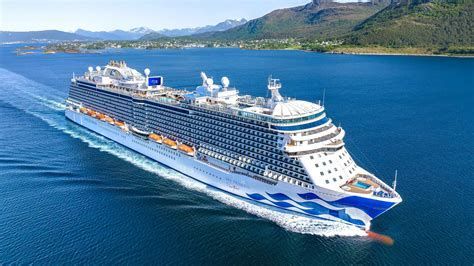
With the right planning, cruising can be one of the easiest vacation styles for beginners because lodging, dining, entertainment, transportation between destinations, and activities are all built into one trip.
Start With the Traveler’s Comfort Level
Before choosing a cruise, think about the person who has never cruised before.
Ask:
- Do they enjoy being around crowds?
- Do they prefer relaxation or nonstop activity?
- Are they nervous about motion sickness?
- Are they traveling with children?
- Do they want a short trip or a full vacation?
- Do they care more about the ship or the destination?
- Do they want casual fun or a quieter experience?
The right cruise for one first-time traveler may not be the right cruise for another.
Choose the Right Cruise Length
For a first-time cruiser, cruise length matters.
Short Cruises
Short cruises can be good for travelers who want to test cruising without committing to a full week.
They may work well for:
- Weekend getaways
- Birthday trips
- Friends’ trips
- First-time cruisers who are unsure
- Travelers with limited vacation time
Five-Night Cruises
A five-night cruise can be a nice middle ground.
It gives travelers enough time to enjoy the ship, visit destinations, and settle into the cruise experience without feeling too long.
Seven-Night Cruises
A seven-night cruise may be better for travelers who want a full vacation experience.
Seven-night sailings often work well for:
- Families
- Couples
- Graduation trips
- Alaska cruises
- Caribbean cruises
- Travelers who want more ports and sea days
For many first-time cruisers, a 4- to 7-night cruise is a comfortable starting point depending on budget, schedule, and destination.
Pick the Right Cruise Line
Choosing the right cruise line is one of the biggest decisions.
Some cruise lines are lively and casual.
Some are more premium and relaxed.
Some focus heavily on families.
Some are better for adults.
Some are known for certain destinations.
For example:
- Carnival may fit travelers who want casual fun and value.
- Royal Caribbean may fit travelers who want big ships and lots of activities.
- Disney Cruise Line may fit families and Disney fans.
- Princess may fit Alaska and relaxed premium cruising.
- Celebrity may fit adults and upscale travel.
- Virgin Voyages may fit adults-only trips.
- Norwegian may fit travelers who want flexibility.
- Holland America may fit destination-focused travelers.
The goal is not to pick the most popular cruise line.
The goal is to pick the cruise line that fits the traveler.
Decide Where to Sail From
For travelers in Spring, Houston, The Woodlands, Conroe, Tomball, Cypress, Humble, and surrounding areas, Galveston can be a convenient cruise port.
Cruising from Galveston may help travelers avoid:
- Airfare
- Airport stress
- Checked-bag fees
- Flight delays
- Complicated transfers
That can make Galveston a strong option for first-time cruisers from Texas.
However, some cruises may require flying to another port.
That may include:
- Alaska cruises
- Europe cruises
- Florida departures
- Hawaii cruises
- Specialty itineraries
If flying is involved, arriving at least one day before the cruise is a smart planning choice.
Understand the Full Cost
First-time cruisers often see the cruise fare and assume that is the full price.
The cruise fare is important, but it is only part of the total vacation cost.
A cruise budget may include:
- Cruise fare
- Taxes and port fees
- Gratuities
- Travel protection
- Parking or flights
- Pre-cruise hotel
- Drink packages
- Wi-Fi
- Specialty dining
- Shore excursions
- Souvenirs
- Spa services
- Casino spending
- Transportation to the port
Knowing the full cost up front helps avoid surprises later.
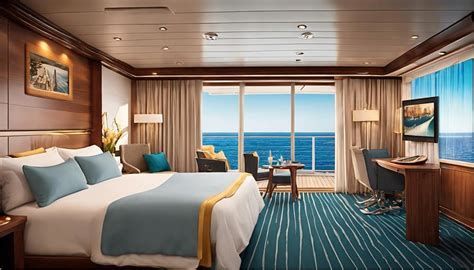
Choose the Right Cabin
Cabin choice matters, especially for someone who has never cruised before.
Common cabin types include:
- Interior cabins
- Ocean view cabins
- Balcony cabins
- Suites
Interior cabins may help save money.
Ocean view cabins add natural light.
Balcony cabins give private outdoor space.
Suites offer more room and added comfort.
Cabin location also matters.
For first-time cruisers, midship cabins can be helpful because they are usually more central and may feel better for travelers concerned about motion.
Review Travel Documents Early
Do not wait until the week of the cruise to check documents.
Depending on the itinerary and traveler, documents may include:
- Passport
- Approved birth certificate
- Government-issued photo ID
- Visa or residency documents
- Minor travel-consent forms
- Name-change or marriage documentation
- Cruise boarding documents
Document rules can vary by cruise line, destination, citizenship, and itinerary.
Every traveler should confirm the current requirements for their specific sailing before final payment and again before departure.
Know What Is Included
Cruises include a lot, but not everything.
Most cruises typically include:
- Cabin accommodations
- Many meals
- Basic beverages
- Entertainment
- Pools and public areas
- Fitness center access
- Transportation between scheduled ports
Cruises may charge extra for:
- Alcoholic drinks
- Specialty coffee
- Soda
- Wi-Fi
- Specialty dining
- Shore excursions
- Spa services
- Photos
- Casino
- Some activities
- Gratuities
Understanding what is included helps first-time cruisers budget better.
Plan Shore Excursions Carefully
Shore excursions can make a cruise more memorable, but first-time cruisers do not need to overbook every port.
For a first cruise, it may be better to balance:
- Organized excursions
- Relaxed port time
- Beach days
- Food experiences
- Cultural tours
- Time to explore the ship
Travelers should consider activity level, walking distance, weather, transportation, and return time to the ship.
The ship will not wait for late independent travelers, so timing matters.
Pack Smart, Not Heavy
First-time cruisers often overpack.
Instead, focus on useful items:
- Travel documents
- Medication
- Comfortable clothes
- Swimwear
- Dinner outfits
- Walking shoes
- Sunscreen
- Phone charger
- Portable battery
- Light jacket
- Toiletries
- Small carry-on bag for embarkation day
Cruise cabins are comfortable, but storage space can be limited.
Pack what you need, not your entire closet.
Prepare for Embarkation Day
Embarkation day is the day the traveler boards the ship.
First-time cruisers should be ready for:
- Luggage drop-off
- Security screening
- Cruise check-in
- Boarding groups
- Carrying a small bag until cabins open
- Lunch onboard
- Safety drill
- Exploring the ship
- Sailaway
The first day can feel busy, but it gets easier once the traveler understands the flow.
Discuss Motion Sickness Before the Trip
Many people worry about feeling seasick.
Not everyone gets motion sickness, but nervous first-time cruisers should plan ahead.
Helpful steps may include:
- Choosing a midship cabin
- Choosing a lower deck
- Bringing motion-sickness remedies
- Staying hydrated
- Eating light if feeling uneasy
- Getting fresh air when needed
Travelers with medical concerns should speak with a healthcare professional before the trip.
Consider Travel Protection
Travel protection is worth discussing for first-time cruisers.
Trips can be affected by:
- Illness
- Weather
- Flight delays
- Lost luggage
- Family emergencies
- Missed connections
- Medical situations away from home
Travel protection options vary, so travelers should review the details carefully and understand what is covered.
Do Not Overplan the First Cruise
A first cruise does not need to be packed from morning to night.
Leave room for:
- Exploring the ship
- Resting
- Pool time
- Shows
- Meals
- Photos
- Quiet moments
- Spontaneous fun
One of the best parts of cruising is that travelers can do a lot or do very little.
Both are valid vacation styles.
Why Working With a Travel Advisor Helps
A travel advisor can help first-time cruisers avoid common mistakes.
That may include help with:
- Choosing the right cruise line
- Comparing ships
- Understanding the full cost
- Choosing a cabin
- Reviewing documents
- Planning transportation
- Explaining embarkation day
- Discussing travel protection
- Matching the trip to the traveler’s personality
A first cruise should feel exciting, not confusing.
🎯 Pro Tip
For someone who has never cruised before, do not start by asking, “What is the cheapest cruise?”
Start by asking:
👉 What kind of experience would make them want to cruise again?
The right first cruise can turn a nervous traveler into a repeat cruiser.
📞 Need Help Planning a First Cruise?
Durham Getaways helps travelers in Spring, TX and the Houston area plan first cruises, family cruises, cruises from Galveston, Alaska cruises, celebration cruises, and more with personalized guidance.
💌
Tony@DurhamGetaways.org
📞 346-497-5908
🌐 DurhamGetaways.org
Cruise options, pricing, document requirements, policies, and promotions can vary by cruise line, ship, itinerary, and sailing date. Always confirm current details before booking.